
🌟 New Year Offer 🌟
Celebrate 2026 with 30% OFF on all products! Use code: NEWYEAR2026. Hurry, offer ends soon!
Award-R.L. Stine Funny stories and jokes were written for Twenty years later, he changed gears and became an horror storyteller.-writing legend. Since then File size is 1.30 GB
Masterclass – R.L. Stine Teaches Writing for Young Audiences
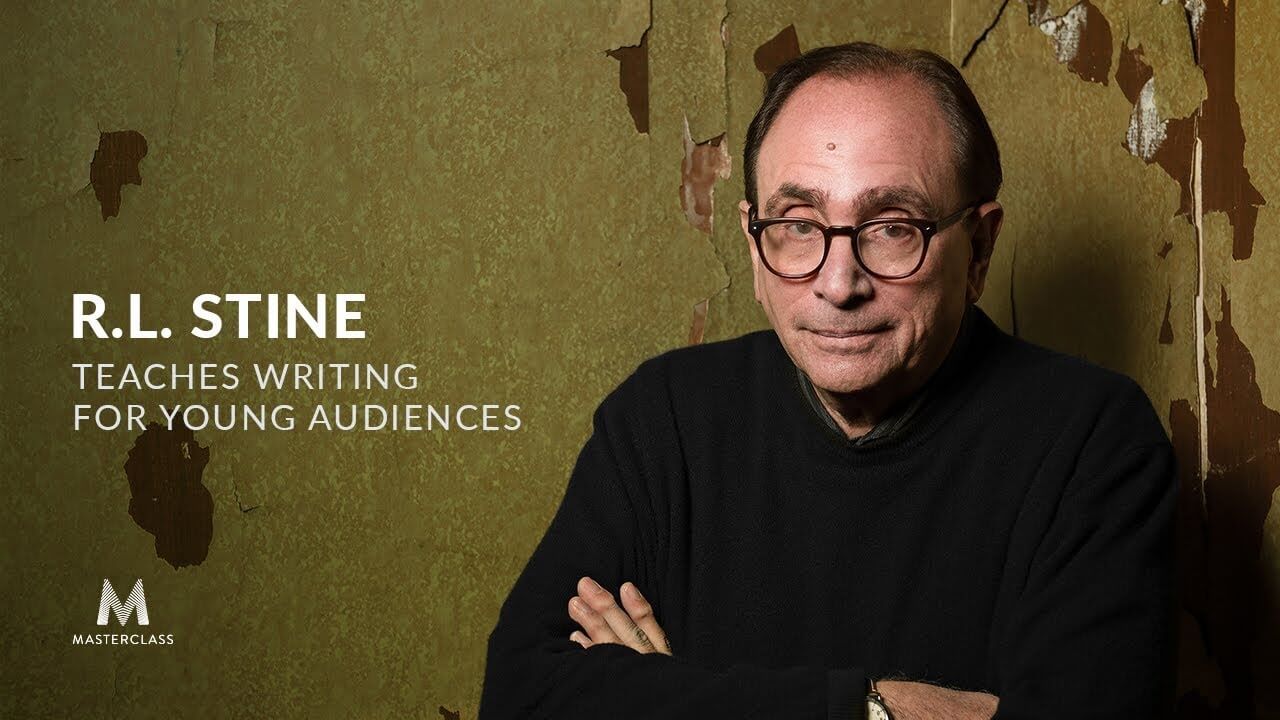
Award-R.L. Stine Funny stories and jokes were written for Twenty years later, he changed gears and became an horror storyteller.-writing legend. The Goosebumps and Fear Street series author has sold over 400 million copies since then. His first book,-Bob is an online instructor in fiction writing. Whether you’re a beginner or a pro, you’ll learn new ways to conquer writer’s block, develop plots, and build nail-Young readers will love this biting suspense.
01. Introduction
R., your new instructor. Stine Bob is his name. The legendary kids’ horror author outlines his intentions for You will be encouraged to forget that writing can be difficult.
1:46
02. The Idea Store
Bob explains how to remain alert for Ideas and shares can be found in three places: memory, experience, and imagination. These are his departments. “the idea store.”
9:41
03. Additional rich sources of ideas
There are many options for inspiration for Your story. Here, Bob points to some that might surprise you—television and movies, titles, and topics.
8:27
04. From Idea to Plot Outline
Bob believes that you should map your plot once you have a great idea. He prefers the outline method.
8:53
05. Outlining: Surprise Endings & Cliffhangers
Surprise endings and cliffhangers are tried and true methods to get kids to read—and keep them reading. Find out the importance of knowing your ending before you start writing a compelling Cliffhanger.
10:45
06. Outlining: Plot twists and tricks
Bob will help you create your outline and show you what to include in the middle to keep your readers interested. He’ll also explain how to avoid false leads and twists.
9:25
07. Outline Case Study
Bob shares two versions his outline for I Am Slappy’s Evil Twin—the one that was rejected by his editor and the one that was accepted—and breaks down how he strengthened the plot in the outlining phase.
7:44
08. Children are the best audience
Young readers will love your books if they are easy to read and fun. Learn Bob’s strategies for understanding young audiences.
10:04
09. Writing for Different Age Levels
How to make the right amount “scary” In books for different age levels.
12:38
10. Comparing Case Studies Young Fiction for Adults and Middle Grades
Bob uses two examples from his work to illustrate the differences between middle grade and YA books.
6:12
11. Scary? Here’s How to Get It! Writing: POV
Bob believes that writing horror from the perspective your main character’s will increase fear. Bob emphasizes the importance of focusing more on what your characters experience than what they feel.
9:57
12. Hook Readers Now
Bob will show you how to quickly capture young readers’ attention with a catchy hook.
5:10
13. How to scare your readers
Download immediately Masterclass – R.L. Stine Teaches Writing for Young Audiences
Maximize your potential “the scares” When writing for young audiences. Bob shares his method for tapping into your childhood fears, making mundane places frightening, and using sensory details as a setting.
12:39
14. Making Monsters
Bob shows you how transform inanimate objects to terrifying monsters, using examples from It Came from Beneath the Sink. Say Cheese and Die
6:06
15. Dialogue and Prose Style
Bob uses dialogue to tell his story and character. You will learn how he creates timeless, real dialogue and how to find your own writing style.
7:41
16. Combining horror and humor
Horror and humor can go hand in hand. Bob explains why it is more difficult to write humor than horror stories and how you can use humor to break up scary scenes.
10:48
17. Creating Middle Grade Characters
Bob creates relatable middles-Help middle school students with grade characters-Grade readers can enter the world of the story, making the books even more scary.
6:28
18. How to Create YA Characters
To demonstrate how to avoid clichés and construct realistic characters, Bob walks you through his character cheat sheet using examples from Give Me a K-I-L-L.
7:07
19. Enjoy your first draft!
Bob will walk you through the steps for Write a draft, and remember to enjoy the process.
8:48
20. Revision and getting feedback
Learn how you can first revise yourself and then seek out honest feedback. Bob will show you how to ask questions about your draft.-readers and editors—and how to take criticism in stride.
8:18
21. Develop a book series
Focus on the first book to start a series. Your readers will be eager to read book 2 if you have created rich settings and characters.
15:19
22. Borrow from your Influences
Bob talks about his experiences with storytelling, from Shakespeare and Dickens to Ray Bradbury and Stephen King.
10:50
23. Writing A Career
Bob shares his advice for For aspiring writers, teaches how to choose the right genre and understand its market.
12:07
24. Promote Yourself
Bob offers suggestions on how to market yourself as a writer via school visits, book fairs and social media.
5:54
25. Combating Writer’s Block and Developing Routines
The best way to combat writer’s block is to be well-prepared. Do it yourself-Bob wrote Goosebumps because of his discipline, tools, routines, and other skills.
10:55
26. Twenty Story Ideas for You
Bob shares 20 stories that you can use to make your story.
3:15
27. Get Moving with these Exercises
Try writing exercises to help you jump-Get started.
4:52
28. Conclusion
Bob now challenges you to write and have fun, after he has shared his tips and tricks.
2:03
Here’s what you’ll get in Masterclass – R.L. Stine Teaches Writing for Young Audiences

Course Features
- Lecture 1
- Quiz 0
- Duration Lifetime access
- Skill level All levels
- Language English
- Students 48
- Assessments Yes
- 1 Section
- 1 Lesson
- Lifetime
- Purchased: Masterclass - R.L. Stine Teaches Writing for Young Audiences1