
🌟 New Year Offer 🌟
Celebrate 2026 with 30% OFF on all products! Use code: NEWYEAR2026. Hurry, offer ends soon!
Caregivers find many of the older adult behaviors to be difficult. Dementia, delirium, and other contributing factors are the most common.
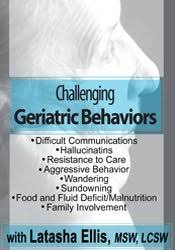
Latasha Ellis – Challenging Geriatric Behaviors
Description:
- Difficult Communications
- Hallucinations
- Resistence to Care
- Aggressive behavior
- Wandering
- Sundowning
- Malnutrition and Food and Fluid Deficit
- Family Involvement
Caregivers find many of the older adult behaviors to be difficult. The most common contributing factors to dementia and delirium are dementia. Understanding what to expect and what you can do to address specific behaviors can reduce frustration and increase satisfaction. This framework provides guidance for selecting management strategies.
Assessment and management techniques are based both on theory and empirical evidence. This program focuses on day to day management through interactive discussion, clinical examples and videos.-To-day strategies to manage and prevent challenging geriatric behaviors.
OUTLINE
Identifying the Baseline
- Objective Measurements
- Risk Factors that could lead to an escalation of Challenging Behaviors
- Influence of Cultural, Social and Gender Factors
- Interactional and environmental considerations
- Preferences and patterns that last a lifetime
Differentiating Between Depression, Delirium, or Dementia
- Diagnostic Criteria
- Signs/Symptoms
- Management
Alzheimer’s Disease: Assessment and Management
- There are many types of dementia
- Stages and progression: Retrogenesis
- Options for Pharmacological Treatment
- Problems Commonly Associated with Alzheimer’s Disease: Difficult Communication, Hallucinations, Resistance/Aggression, Wandering, Sundowning, Malnutrition
- Interventions to Provide a Positive Experience
Difficult Communications and Hallucinations
- Contributing Factors
- Verbal and nonverbal-verbal Techniques
- Therapeutic Use of Yourself
- Reorientation and Reminiscence
Validation
- Problem Solving
- You can be their reality
Resistence to Care
- Routine Hygiene
- Resistant Reasons
- Successful Techniques
Physically aggressive Behaviors
- Reverse Developmental Behavior
- Behaviors Communication as a Method
- Identify the problem/trigger
- Interactional and environmental factors
- Causes of Escalation
Wandering and sundowning
- Contributing Factors
- Assessment
- Exercise and activity
- Environmental Management
- Interactional Management
Food and Fluid Deficit/Malnutrition
- There are reasons they may not eat
- There are many ways to increase nutritional intake
- Tips for people who need feeding assistance
- The Eating Environment
- End of Life
The Family Caregiver is a Part of the Team
- Family Dynamics and Change
- Caregiving: Positive and Negative Emotions
- Positive communication among staff, family, and older adults
- Assisting the caregiver to meet the needs of the care recipient
- These are some helpful resources
- Here are some ways to help the caregiver reduce stress
Would you like to be contacted? Latasha Ellis – Challenging Geriatric Behaviors ?
OBJECTIVES
- Use assessment techniques to establish baseline behaviors among older adults.
- Discuss the causes of challenging geriatric behaviors, and discuss prevention strategies.
- Differentiate between dementia, delirium and depression in the elderly.
- Explain the progression of Alzheimer’s disease and related treatment options.
- Select appropriate environmental, interactional, behavioral, and/or physical/pharmacological interventions to prevent and/or manage challenging geriatric behaviors.
- Differentiate between effective and ineffective strategies to manage difficult communications, hallucinations, resistance and aggressive behavior, wandering, sundowning, and food and fluid deficit/malnutrition.
- Find resources that offer information and services for caregivers.
Course Features
- Lecture 0
- Quiz 0
- Duration Lifetime access
- Skill level All levels
- Language English
- Students 0
- Assessments Yes