
🌟 New Year Offer 🌟
Celebrate 2026 with 30% OFF on all products! Use code: NEWYEAR2026. Hurry, offer ends soon!
Available for Pre-Order. This product will be delivered within a few days.
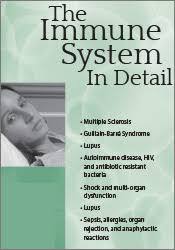
Angelica Dizon – The Immune System in Detail
Description:
- The Immune System Revealed
- Learn about the inner workings the immune system. like you’ve never heard it before!
- Inflammation: The The Center of Attention
- How the inflammatory reaction works and what you should do to treat complications
- Inflammation out of control
- Sepsis, allergies, rejection of organs, and anaphylactic reactions: What are the symptoms? How to treat them?
- Common Immune Disorders
- Prevent and treat autoimmune disease, HIV and antibiotic resistant bacteria
If you could master one concept in your career it would be the inflammatory reaction.
- Do you care about patients with:
- Cardiac disorders?
- Are you suffering from respiratory disorders?
- Gastrointestinal disorders?
- Neurological disorders
- Infection, cancer, and immunosuppression
Inflammation is responsible in many of the diseases that we treat. It is the body’s primary response for healing and protecting itself from injury. To provide exceptional care for your patients, it is important to understand the inflammatory response.
Although the inflammatory response can be complex, it can be broken down into three main events: 1) vasodilation; 2) capillary permeability; and 3) clotting. The These events are what create many of the conditions we associate with septic shock and ARDS. The absence of a response can also be devastating, exposing the body and mind to a multitude of deadly infections.
Learn how to manage patients suffering from inflammation and those whose immune response is suppressed by understanding the anatomy, physiology and pathophysiology.
If you’ve had trouble with these concepts in If you are looking for the past, this program is for you! You will learn all the details that you need, explained at a level you can understand.
Would you like a gift? Angelica Dizon – The Immune System in Detail ?
OUTLINE
Immunity: Overview and Definitions
- Self versus nonself
- Role of antigens (Immunogens).
The Immune System
- Lymphoid (Immune) system
- Structure and function
- C system’s biological role
Complex of Major Histocompatibility
- Different classes of MHC-antigens
- Role of MHC antigens in Autoimmunity and transplants
- Autoimmunity
The Immune Response: Let’s put it all together
- Afferent limb
- Efferent limbs
- Afferent and effeent are designed to react with the immunogen, rendering it inactive.
- Primary response
- Secondary responses
- Types of immunity
- Hypersensitivity reactions
- Immunodeficiency disorders
Human Immunodeficiency Virus (HIV)
Organ-Specific Autoimmune Disease
- Idiopathic tuberculocytopenia purpura
- Multiple Sclerosis
- Guillain-Barré Syndrome
- Myasthenia Gravis
- Rheumatoid fever
- Addison’s disease
- Type I Diabetes Mellitus
- Good pasture syndrome
Systemic Autoimmune Disease
- Systemic Lupus Erythematosus
- Rheumatoid Arthritis
- Progressive Systemic
- Scleroderma (sclerosis)
Serum Sickness
- Penicillin and sulfonamides
ABO Blood Group Antigens
- Blood typing
- Rh factor
Diagnostic Tests
- Urine studies
- Radioisotope studies
- CT and MRI
- Biopsies
- Laboratory studies
Inflammatory Reaction
- Acute inflammation can be described as a gross feature
- Fluid aspects of inflammation
- Cellular aspects of inflammation
- Mediation for inflammation
- Types of leukocytes
Patterns of inflammation
- Acute
- Chronic
- Noncellular exudates
- Cellular exudates
Factors that Affect Inflammation and Healing
- Impaired circulation
- Leukocytes are declining in The circulating blood
- Drug inhibitory effects
- Malnourishment
- Poor approximation of wound edges
Multiplier and Shock-organ Dysfunction
- Definitions (Exhibit B)
- Stages of shock
- Shock treatment measures
Antibiotic-Resistant Organisms
- Organisms can resist both older agents and newer agents.
- Genetic and biochemical modifications to evade pharmaceuticals
- Resistance can be caused by inadvertent use of antibiotics.
OBJECTIVES
- Identify the first line immune defense mechanisms.
- You can list several types of leukocytes along with their functions.
- Explain the function of immunological memories.
- Describe the three main components that make up the inflammatory response.
- Summarize the inflammatory response of major illness.
- Discuss the patient care needs for selected immune disorders.
Course Features
- Lecture 0
- Quiz 0
- Duration Lifetime access
- Skill level All levels
- Students 85
- Assessments Yes